
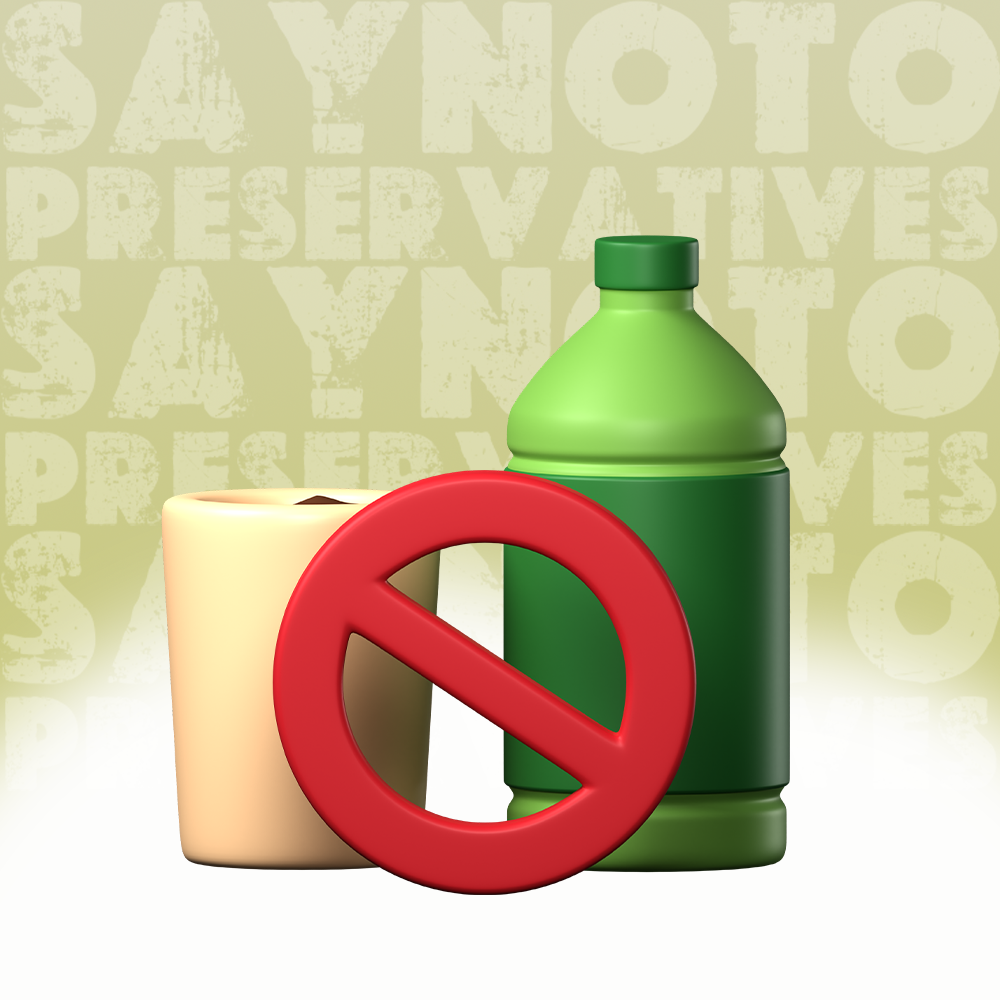
Processed and packaged food is common in modern times and the fast-paced world. We usually eat whatever is written on the labels, particularly the term "preservatives." These chemicals add shelf life, improve taste, and make food appear more attractive. But come at what a cost?
Among the most significant health threats caused by preservatives, one should note their harmful effect on the heart. As the number of heart disease cases is on the rise in India, it is time to step back and learn how clean eating and avoiding preservatives can save your heart.
What Are Preservatives and Why Are They Harmful?
Preservatives are chemicals used to keep food fresh for longer. Common examples include sodium benzoate, BHA, BHT, and nitrates. These are found in chips, biscuits, packaged juices, cold drinks, pickles, ready-to-eat meals, and even frozen items.
While they prevent spoilage, they also:
-
Increase blood pressure
-
Lead to inflammation in blood vessels
-
Disrupt the natural digestion process
-
Raise bad cholesterol (LDL)
All of these factors can contribute to heart disease. Over time, a diet filled with preservatives can make cholesterol reduction difficult and lead to high triglyceride levels, major risk factors for heart problems.
What is Clean Eating?
Clean eating is consuming food as purely and healthily as possible. It is about getting rid of junk, additives, and chemicals on your plates and going back to basics, such as fresh fruits, vegetables, whole grains, unprocessed meats, and home-cooked food.
Clean eating is not a diet trend; it is a lifestyle choice. To Indians, it means saying yes to dal-chawal, roti-sabzi, and fresh homemade chutneys and no to instant noodles, paratha in the frozen aisles, sugary cereals, and excessively salty snacks.
How Clean Eating Helps in Cholesterol Reduction
Bad cholesterol builds up in arteries and can block blood flow, leading to heart attacks and strokes. Clean eating naturally supports cholesterol reduction in the following ways:
-
Fiber-Rich Foods: Whole grains like brown rice, oats, and millets help lower LDL cholesterol.
-
Fresh Fruits and Vegetables: Rich in antioxidants, they help cleanse the body and reduce plaque buildup.
-
Avoiding Trans Fats: By not eating packaged foods, you avoid trans fats—major contributors to high cholesterol.
-
Healthy Cooking Oils: Moderating the use of mustard oil, olive oil, or groundnut oil is better than using refined oils full of chemicals.
By making these small shifts, your heart stays healthier without the need for medication or strict dieting.
Indian Heart-Healthy Foods You Should Eat More Often
In India, we already have access to a wide variety of heart-healthy foods. We just need to bring them back to our daily meals.
-
Garlic: Lowers cholesterol and helps in blood pressure control
-
Turmeric (Haldi): Natural anti-inflammatory that protects blood vessels
-
Flaxseeds & Chia Seeds: Rich in omega-3 fats, helpful for heart function
-
Amla (Indian Gooseberry): High in Vitamin C and supports clean arteries
-
Leafy Greens: Spinach, methi, and curry leaves promote good circulation
-
Nuts: A handful of almonds or walnuts can boost HDL (good cholesterol)
Adding these heart-healthy foods regularly to your plate helps reduce cholesterol levels without compromising taste.
Practical Tips for Clean Eating in Daily Life
-
Cook Fresh: Make the effort to prepare meals instead of using processed foods at least once a day. Readymade foods like khichdi or upma are better than ready-to-eat.
-
Read labels: When purchasing packaged food, avoid buying the ones with long ingredients and unpronounceable words, such as chemicals.
-
Say Bye to Sweet Draw: Swap colas and bottled juice with coconut water, buttermilk, or nimbu pani.
-
Meal Planning: Rather than reaching out to processed snacks, it is convenient to go shopping with a weekly grocery list to plan meals.
-
Eat Local And Seasonal: Eat fruits and vegetables that are locally grown and in season. These are fresher, cheaper, and healthier for your heart.
Clean Eating is Not Expensive or Difficult
The myth is that clean eating is quite expensive and time-consuming. In fact, dal, roti, sabzi, poha, idli, fruits, and vegetables are much cheaper and better for the heart than a pack of chips or a frozen pizza.
The Indian kitchen already contains a treasure trove of heart-healthy foods. With a little effort and wise decisions, you could make your meals healthier and your diet more balanced, contributing to a reduction in cholesterol levels, a rise in energy, and the preservation of your heart in the future.
Final Thoughts
Your heart beats day in and day out to keep you alive. All we can do is take care of it through better food choices. Refuse preservatives, prefer clean eating, and increase the amount of heart-healthy foods on your daily menu.
You do not have to spend time on a chic international diet. Our Indian food, when freshly prepared and consumed in small amounts, is among the best foods for cholesterol lowering and permanent cardiovascular health.
Choose natural foods. Embrace clean eating. Make a positive choice for a healthy heart.
Beyond Food is your companion on the journey to wellness.
Share:
The No Sugar Blueprint: A Natural Lifestyle Approach to Type 2 Diabetes
Whole Nutrition + Intermittent Fasting: A Powerful Combo for Health